
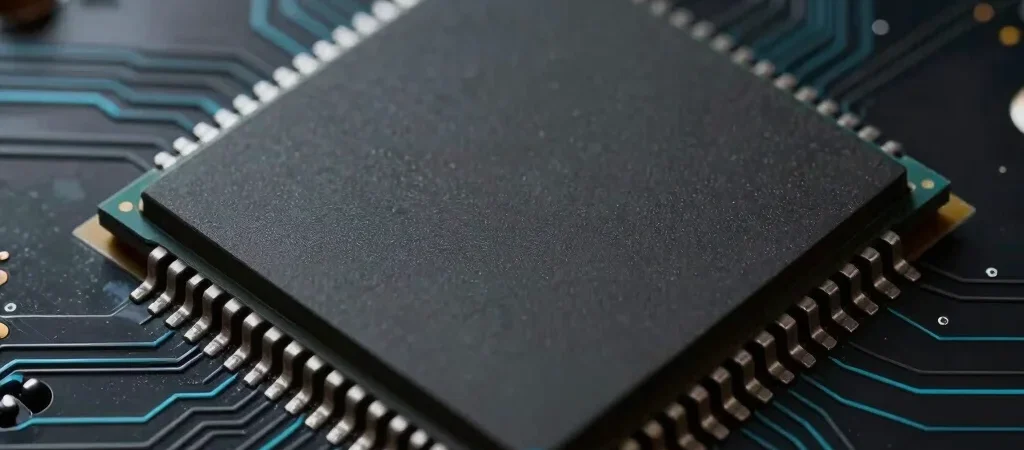
The laptop spec sheet used to be simple: clock speed, core count, and system memory. Today, every major chipmaker insists you need a dedicated neural processing unit built directly into your main silicon die. Rather than relying on cloud servers or heavy discrete GPUs, these specialized cores promise instant local processing for voice recognition, image generation, and live transcription.
Where NPUs Deliver Real-World Speed
In hands-on testing across standard photo editing suites and developer tools, dedicated acceleration shows clear advantages in sustained workloads. Moving low-level tasks like video background removal off the primary graphics unit frees up system resources and prevents frame drops. The noticeable gain is not raw computation speed, but system responsiveness under heavy multitasking.
Thermal Throttling in Compact Chassis
Putting extra compute modules into thin ultraportable laptops creates thermal challenges during prolonged execution. When running continuous local image diffusion jobs, internal temperatures rise quickly, forcing the system to trim clock frequencies after roughly ten minutes. Active cooling designs hold peak throughput significantly longer than fanless models.
The Hands-On Verdict for Upgraders
If your daily routine involves heavy media creation or running local offline models, spending extra for current-generation silicon pays off in battery efficiency. Casual users focused on web browsing and document editing will see minimal difference today. Upgrading purely for AI marketing buzz remains unnecessary until third-party software support matures further.